


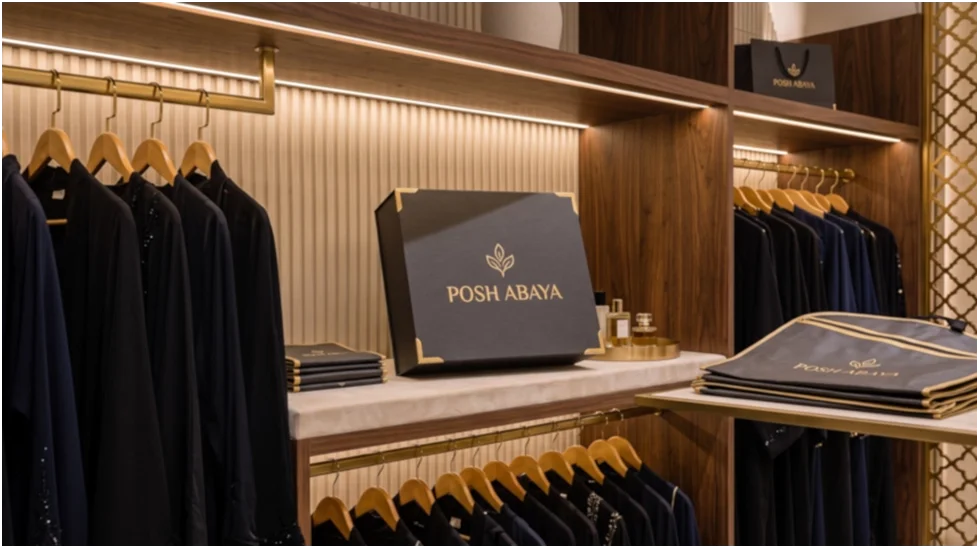
Shopping for an abaya in Dubai used to be largely a physical experience. Customers would visit shopping malls, browse boutiques, compare fabrics and designs, and speak directly with sales staff before making a purchase. That experience has not disappeared, but technology has changed what happens before, during and even after the visit.
Today, shoppers can discover new collections through social media, compare products from different retailers, check customer feedback and explore an online catalogue before deciding where to buy. For businesses operating in Dubai’s fashion market, this shift means that having attractive products is only part of the equation. The digital shopping experience has become increasingly important as well.
From Store Visits to Digital Discovery
One of the biggest changes in fashion retail is the way customers discover products.
A shopper interested in an abaya may no longer begin by visiting a particular store. The journey could start with a Google search, an Instagram post, a recommendation from a friend or a video showing a new collection. From there, the customer may visit several websites before deciding which retailer deserves a closer look.
This has created a more competitive environment for retailers.
A Dubai abaya shop, for example, is no longer competing only with boutiques located in the same neighborhood or shopping center. An online customer can compare collections from businesses across Dubai and the wider UAE within minutes.
That makes digital visibility an important part of modern retail.
Mobile Shopping Has Changed Customer Expectations
Smartphones have made fashion discovery much more immediate.
Customers can browse an abaya collection while travelling, during a lunch break or from home in the evening. They can zoom in on product photographs, review available sizes, examine colours and move between different collections without physically visiting several stores.
This convenience has also raised customer expectations.
Slow websites, unclear product information or difficult navigation can quickly discourage a potential buyer. Customers increasingly expect online stores to make product discovery straightforward, particularly when they are comparing similar products from different retailers.
For fashion businesses, this means website design is no longer simply a branding exercise. It has become part of the overall shopping experience.
Better Product Discovery Through Search
Search engines have also become an important part of the retail journey.
Someone searching for a specific style may use terms such as “black abaya,” “Emirati abaya,” “luxury abaya” or “abaya shop in Dubai.” Someone else may search for a particular occasion, season or design.
This creates opportunities for retailers to build useful content around the products customers are already looking for.
Instead of relying entirely on advertisements, an established retailer can create collection pages, buying guides, style information and useful articles that help customers find relevant products through search.
For example, someone researching where to find a Dubai Abaya Shop may first want to understand the different styles available, how online ordering works and what makes one retailer different from another. Useful information can help that customer make a more informed decision before purchasing.
The important point is that search visibility works best when it connects customers with genuinely useful information rather than simply repeating product keywords.
Social Media Is Becoming Part of the Shop Window
For fashion brands, social media has effectively become another form of shop window.
A customer may see an abaya in a short video or photograph and then move directly to the retailer’s website. New collections can be introduced visually, seasonal styles can be highlighted and customers can see how different designs look in real-world settings.
This is particularly relevant for fashion because appearance plays such an important role in purchasing decisions.
A product description might explain the fabric and design, but a well-produced photograph or video can communicate details that words cannot. The combination of social media discovery and an easy-to-use website therefore creates a much more connected shopping journey.
Retailers that keep their social content and website experience consistent can make it easier for customers to move from inspiration to consideration and eventually to purchase.
Personalisation Is Changing Online Retail
Another major development is the growing use of customer data to personalise the shopping experience.
Large e-commerce businesses have already made personalised recommendations familiar to consumers. Customers are shown products based on previous browsing behaviour, purchases and interests.
Fashion retailers can apply similar principles.
For an abaya business, customer behaviour may reveal that certain shoppers are more interested in black abayas, while others spend more time looking at colourful collections, occasion wear or seasonal designs. Over time, this information can help businesses understand which products attract attention and which collections may need better presentation.
Personalisation does not necessarily have to mean sophisticated artificial intelligence. Even basic analytics can reveal useful patterns.
If a particular collection consistently receives strong traffic but very few purchases, for example, the business may need to investigate whether the issue is pricing, product photography, sizing information, shipping details or something else.
Data provides a starting point for asking better questions.
Technology Is Helping Retailers Understand Demand
Inventory management is another area where technology can make a significant difference.
Fashion retailers have to balance customer demand with the risk of holding too much stock. Seasonal collections make this challenge even more important because interest in particular fabrics, colours and styles can change throughout the year.
Digital analytics can help retailers identify patterns in customer behaviour.
Search trends, website visits, product views, purchases and abandoned carts can all provide signals about what customers are interested in. When these signals are considered together, businesses can make more informed decisions about future collections and stock levels.
For a retailer operating in a fast-moving market such as Dubai, these insights can be valuable because customer preferences can shift quickly.
The Online and Offline Experience Are Becoming Connected
Technology has not necessarily made physical retail less important. Instead, it has connected physical and digital shopping more closely.
A customer might discover a collection online, visit a physical store to examine the fabric and then complete the purchase later through the website. Another customer may visit a store first and use the retailer’s website afterwards to explore other colours or related designs.
This means businesses increasingly need to think about the entire customer journey rather than treating their website, social media accounts and physical store as separate channels.
Consistency matters.
Product information should be clear across platforms. Brand presentation should feel familiar. Customers should not have to start their search from scratch simply because they move from Instagram to a website or from a physical store to an online catalogue.
Why This Matters for Dubai’s Fashion Retailers
Dubai’s retail environment is highly competitive, and customers have access to a wide range of local and international fashion brands.
Technology gives smaller and specialised retailers an opportunity to compete by making their products easier to discover and their customer experience easier to navigate.
An independent abaya retailer does not necessarily need the technology budget of a major international fashion company. A well-structured website, high-quality product photography, useful information, mobile-friendly shopping and an active digital presence can already make a significant difference.
The retailers that understand this are not simply selling products online. They are building a digital path that helps customers discover, evaluate and purchase those products with less friction.
And the role of technology will continue to expand. Search, social commerce, analytics, personalised recommendations and increasingly sophisticated e-commerce tools are becoming part of everyday retail rather than specialist features reserved for large companies.
For Dubai’s abaya market, that creates an interesting intersection between traditional fashion, modern retail and digital innovation. The abaya itself may remain rooted in culture and personal style, but the way customers discover and shop for it is becoming increasingly digital.
